


Getting the right makeup formulation can make or break your SFX look or cosplay transformation. Different types of makeup have unique properties that make them better suited for specific applications. Whether you're creating a zombie apocalypse survivor, a fantasy creature, or pulling off an elaborate cosplay, understanding these formulations will help you achieve professional results.
Understanding Cream Makeup
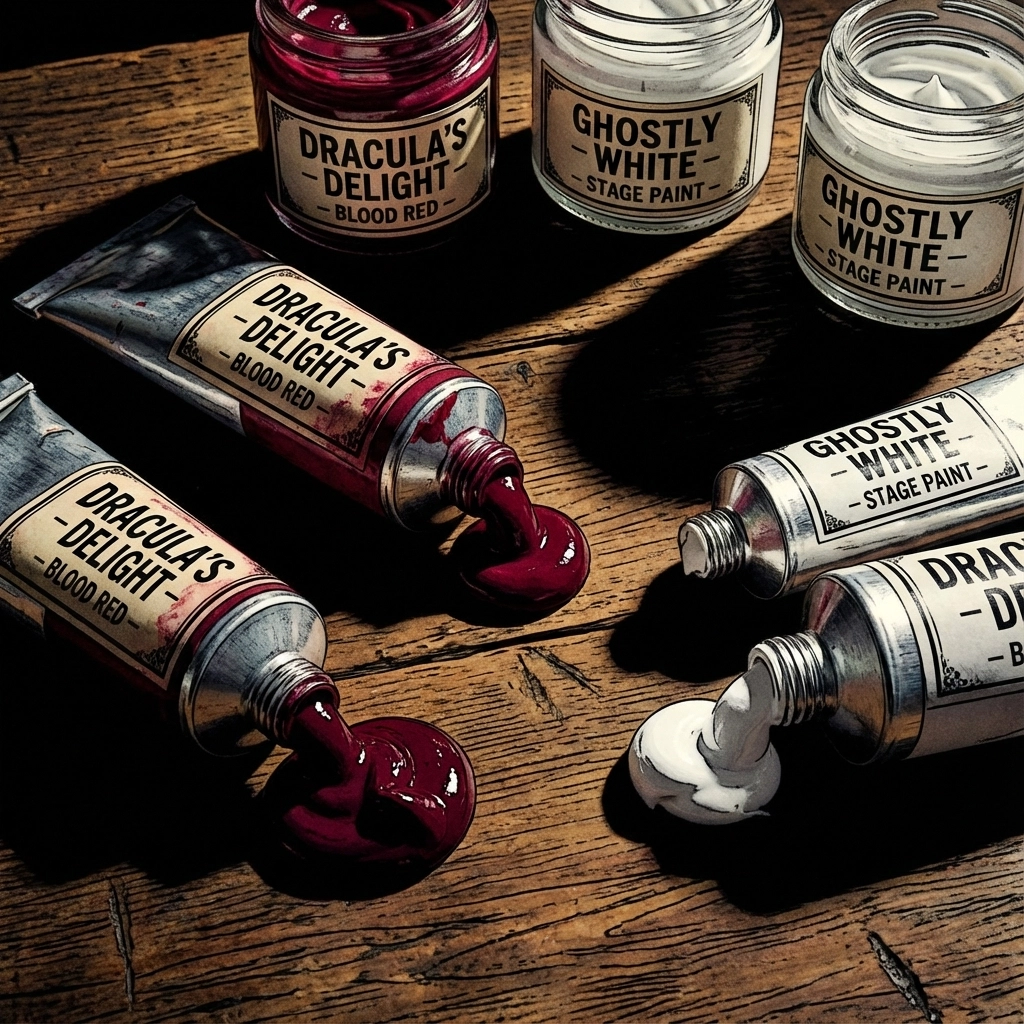
Cream makeup is the workhorse of theatrical and SFX applications. This formulation provides excellent coverage and stays put for hours, making it perfect for base colors and solid coverage work. Cream makeup has a thick, rich consistency that blends well and builds up easily for opaque coverage.
Best Uses:
- Full face base colors
- Covering natural skin tones
- Creating solid, even coverage
- Building up color intensity
- Long-wearing applications
The key thing to remember about cream makeup is its oil-free formulation. This becomes crucial when working with foam latex prosthetics.
The Critical Prosthetic Rule for Cream Makeup
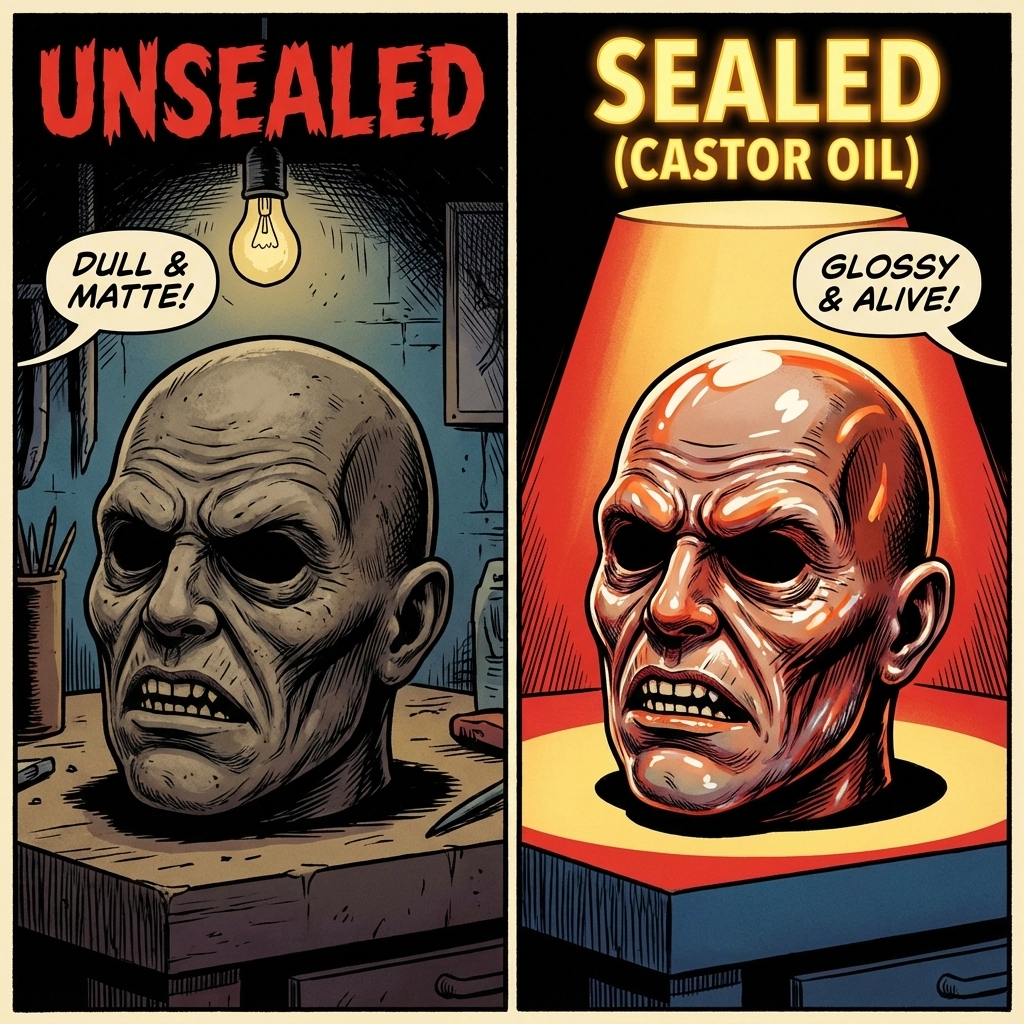
Here's something that can save your entire look: If you're using cream makeup with a foam latex prosthetic, you must seal it with castor oil or Castor sealer first. These are the same product, just different names.
Without sealing, cream makeup soaks directly into the foam latex, creating a dull, light matte appearance that looks completely different from the makeup on your natural skin. Since cream makeup contains no oil and human skin naturally has oils, you need to make the prosthetic behave more like your actual skin by adding that oil barrier.
This step ensures your prosthetic makeup matches your face makeup perfectly, creating a seamless look instead of an obvious "mask" appearance.
Grease Makeup Properties
Grease makeup, or RMG (rubber mask grease), offers different benefits than cream formulations. This oil-based makeup stays workable longer and provides intense pigmentation. Unlike cream makeup, grease makeup contains oils that help it blend smoothly and remain slightly tacky.
Grease Makeup Advantages:
- Extended working time
- Easy blending
- Vibrant, intense colors
- Great for beginners
- Won't dry out quickly
Grease makeup works especially well for effects that require smooth color transitions or when you need extra time to perfect your application. The oil content makes it compatible with foam latex prosthetics without additional sealing.
Powder Makeup Functions
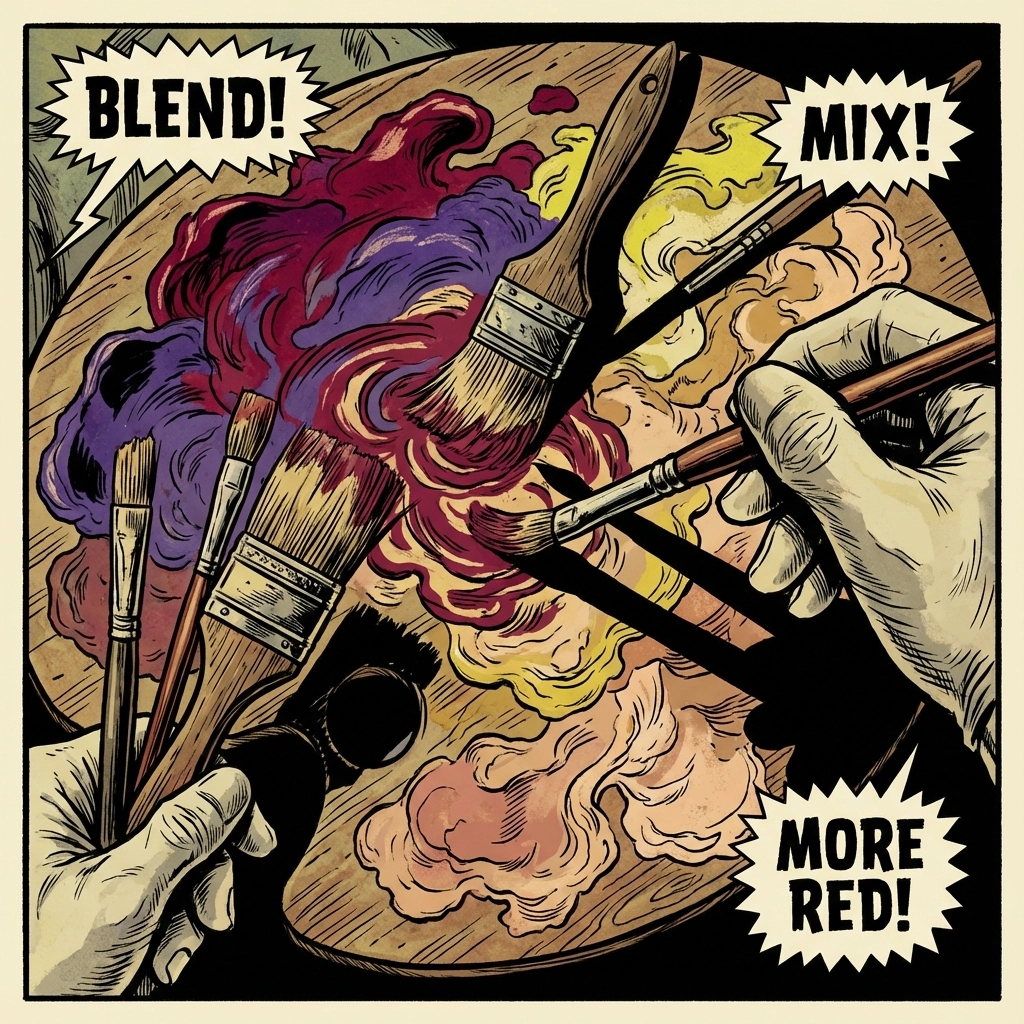
Powder makeup serves multiple essential functions in SFX and cosplay applications. It can work as a primary color application or as a setting agent for other makeup types.
Setting Properties:
Powder locks other makeup formulations in place, preventing smudging and extending wear time. This is especially important for water-based paints that need powder to set properly.
Direct Application:
Powder makeup can be applied directly to skin for lighter coverage effects, subtle color changes, or when you need a completely matte finish.
Layering Capability:
Powders work well over other makeup types to adjust color, add depth, or create texture effects.
→ Alcohol-Based Makeup
Alcohol-activated makeup wakes up with 99% isopropyl alcohol and dries fast into a thin, flexible film. It resists water and sweat, builds from sheer washes to solid coverage, and lands in a matte-to-satin finish with very low transfer. If you need to blend or fix a spot after it dries, a small touch of alcohol reactivates it.
To use, activate color in the palette—don’t pour alcohol on the skin or the piece. Load a brush or sponge with the thinnest mix you can control so you don’t flood the prosthetic. Stipple for natural skin texture, glaze for mottling, veins, bruises, and grime, then build coverage with light passes until you hit the depth you want. You can finish with a light powder if you want to knock down any tack or shine.
For a quick set and crisp detail, use 99% alcohol; lower percentages stay wetter and give more blend time. Plan your color order on a test patch and keep touch-ups lean to avoid lifting layers. When you’re done, remove with an alcohol-based remover or 99% alcohol, then cleanse and moisturize.
Choosing Formulations for Different Effects
Different SFX goals require different makeup approaches. Here's how to match formulation to effect:
For Full Face Transformations:
Start with cream makeup for solid base coverage. Use grease makeup for areas requiring blending. Set everything with powder for longevity.
For Detail Work:
Alcohol-based makeup excels at fine details, precise lines, and layered effects. Grease makeup works better for soft, blended details.
For Prosthetic Work:
Remember the sealing rule for cream makeup. Grease makeup works directly on sealed or unsealed prosthetics. Alcohol-based makeup performs best over sealed prosthetics.
For Long-Wear Applications:
Cream makeup provides the best staying power, especially when set with powder. Alcohol-based makeup also offers excellent longevity once dry.
Application Techniques by Formulation
Each makeup type requires slightly different application methods for best results.
Cream Application
Apply with makeup sponges, brushes, or fingertips. Build coverage gradually rather than applying thick layers at once. Blend edges while the makeup remains workable.
Grease Application
Use brushes or sponges for application. Take advantage of the extended working time to perfect blending. Build colors slowly for even coverage.
Powder Application
Use large, fluffy brushes for setting. Apply with pressing motions rather than sweeping. Build coverage with multiple light layers.
Mixing Formulations
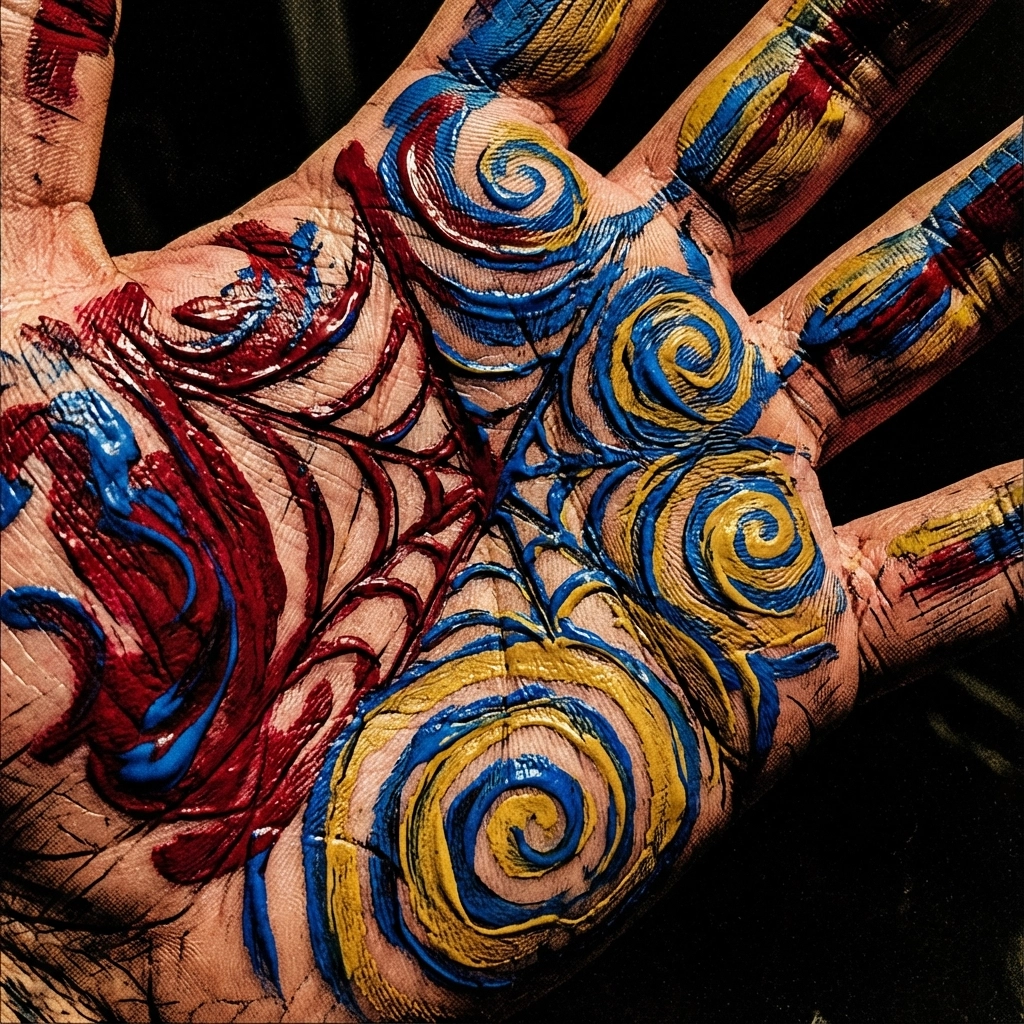
You can combine different makeup types strategically for enhanced effects:
- Use cream as a base, then add details with alcohol-based makeup
- Apply grease makeup for blending areas, set with powder
- Layer alcohol-based makeup over cream base for color depth
- Use powder to adjust the finish of any other formulation
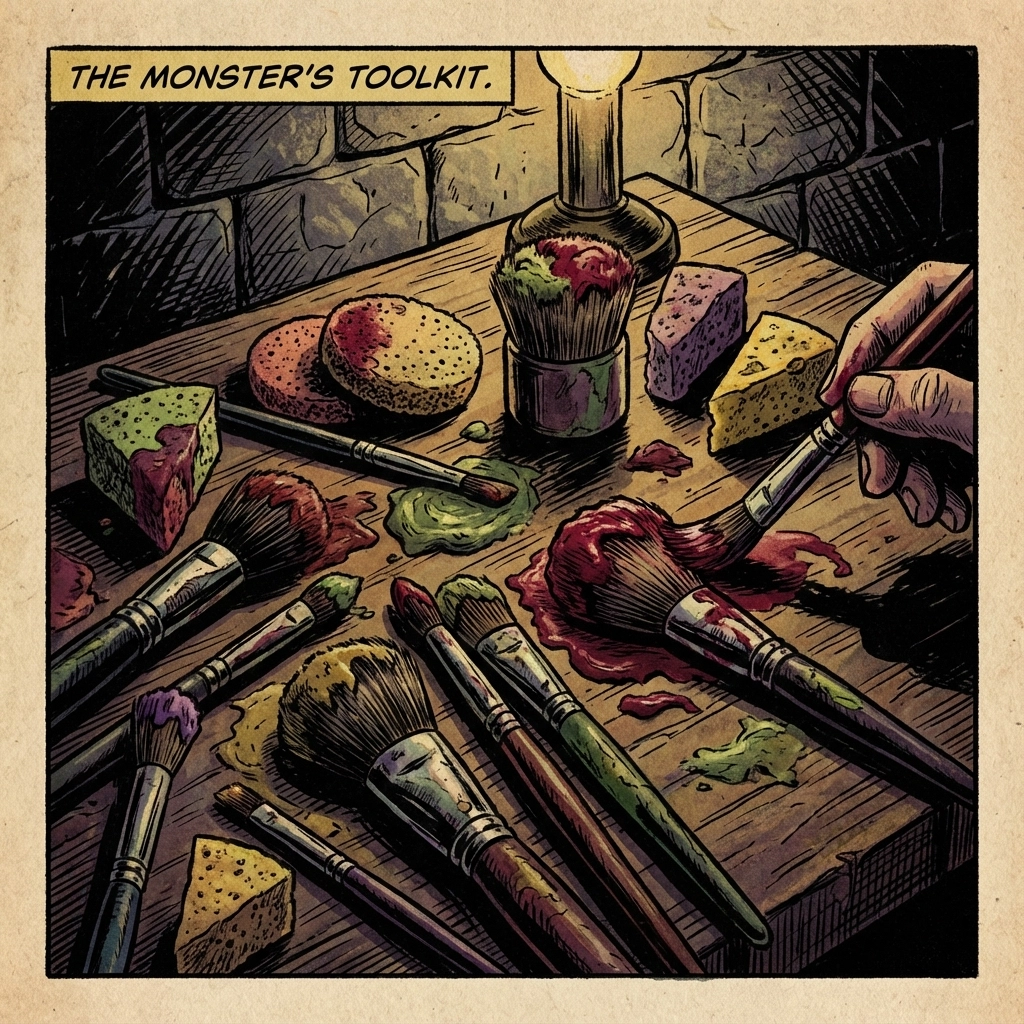
Tools Make the Difference
Different formulations work best with specific application tools:
Sponges: Excellent for cream and grease makeup application and blending
Brushes: Essential for powder application and alcohol-based detail work
Stipple sponges: Perfect for texture effects with any formulation
Fingers: Sometimes the best tool for blending cream and grease makeup
Storage and Longevity
Proper storage extends the life of your makeup formulations:
- Keep cream makeup tightly sealed to prevent drying
- Store grease makeup away from heat to maintain consistency
- Powder makeup lasts longest when kept dry
Removal Considerations
Different formulations require different removal methods:
- Oil-based formulations need oil-based removers
- Heavy cream makeup may need theatrical makeup remover
- Always remove makeup gently to protect your skin
Professional Results
Understanding these formulation differences helps you achieve professional-quality results. The key is matching the right makeup type to your specific needs rather than trying to force one formulation to do everything.
Start with quality products designed for SFX and theatrical use. Practice with different formulations to understand their unique properties. Most importantly, remember that prosthetic sealing step – it's the difference between amateur and professional-looking results.
Whether you're creating subtle character changes or dramatic transformations, having the right makeup formulation knowledge gives you the foundation for amazing SFX and cosplay looks.
Comments